
More data than meets the eye
Names and emails are just the tip of the iceberg. Location, devices, habits, health, biometrics: problems often come from what isn't obvious.
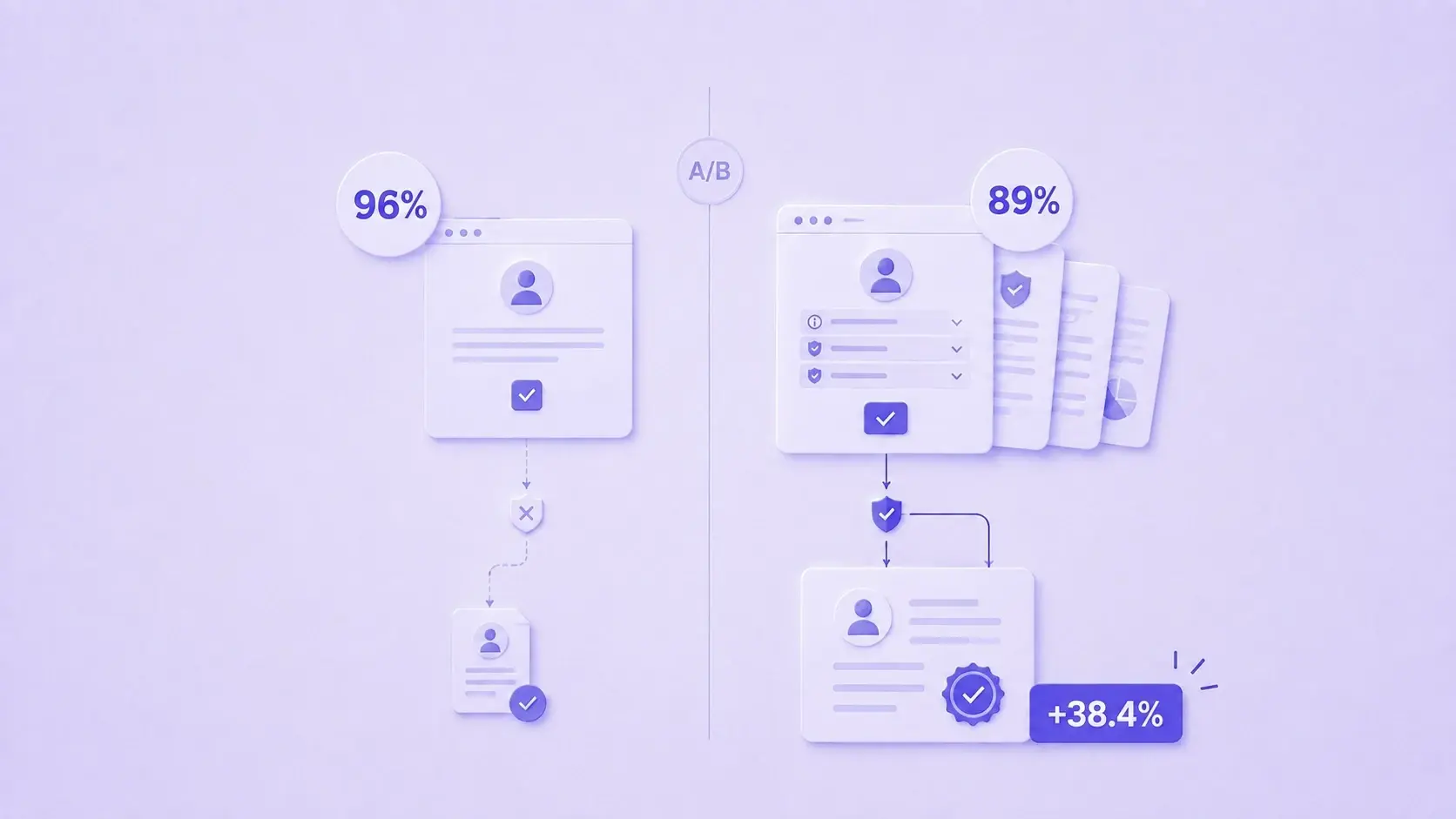
Transparency boosts conversion: what we learned designing consent experiences under Law 21.719.
Read the article
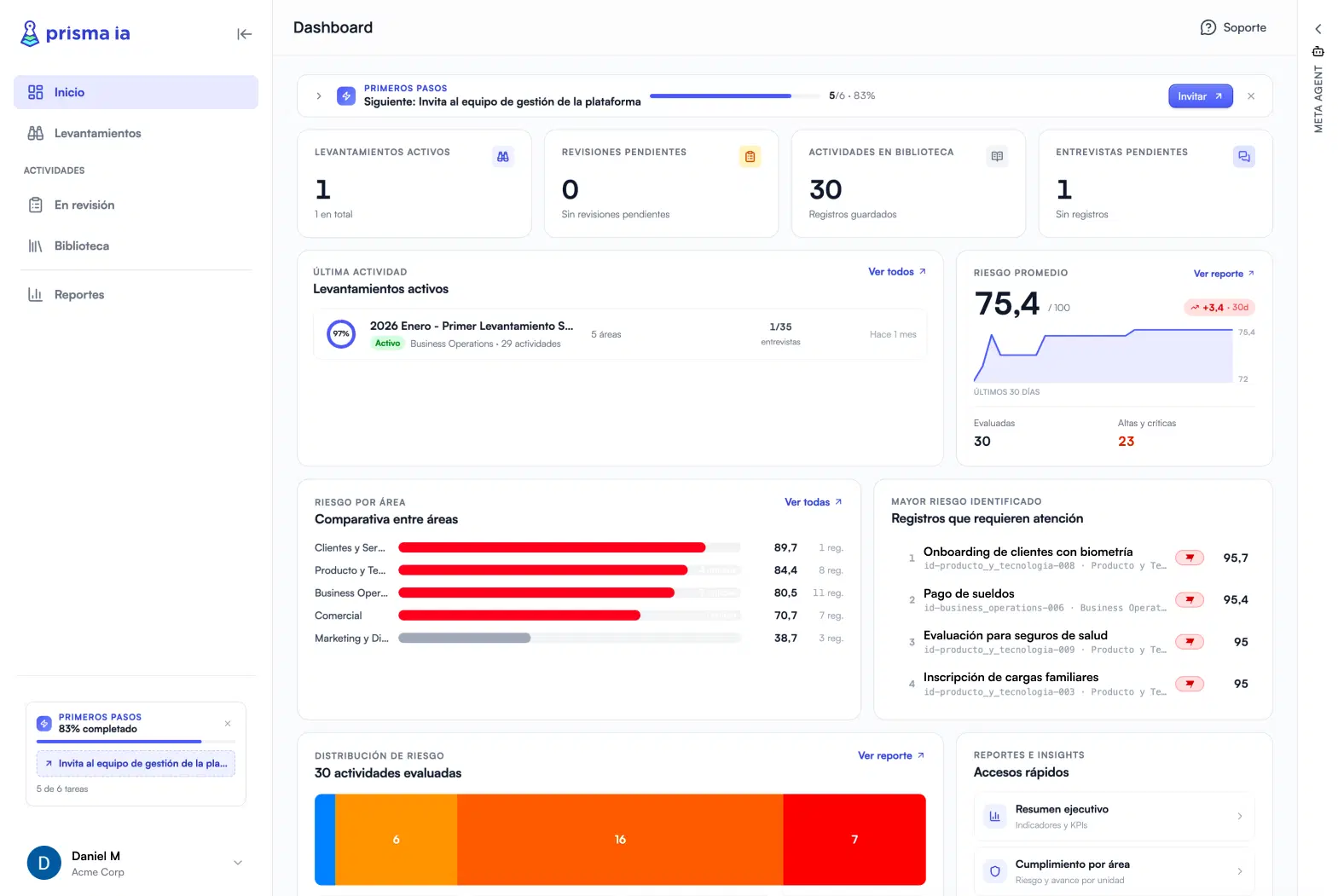
Prisma AI conducts automated interviews, generates records of processing activities, and helps identify data processing risks.



Trusted by privacy leaders at:
















That information is scattered across people, systems, spreadsheets, and different processes, and no one has consolidated it.
Names and emails are just the tip of the iceberg. Location, devices, habits, health, biometrics: problems often come from what isn't obvious.
Forms, integrations, legacy databases, shared spreadsheets. If you don't know where each data point comes from, you can't demonstrate a lawful basis.
The same data ends up feeding marketing, support, metrics, and models. Every additional use should be declared. It rarely is.
The real test is knowing exactly what data you hold about a person, deleting it on request, and retaining evidence of that process.
Without that visibility, you can't demonstrate compliance, manage risks, or decide what to tackle first. Mapping how data is processed is the starting point for everything else.
It automates the manual work of building your records of processing activities, making the process clear and auditable.
AI-led data mapping. Conversational interviews gather structured information directly from the people who work with the data.
Standardization with human review. AI structures the responses; the privacy team validates and completes them.
Processing activity map. A complete view of which personal data is handled, where it is, and what it is used for.
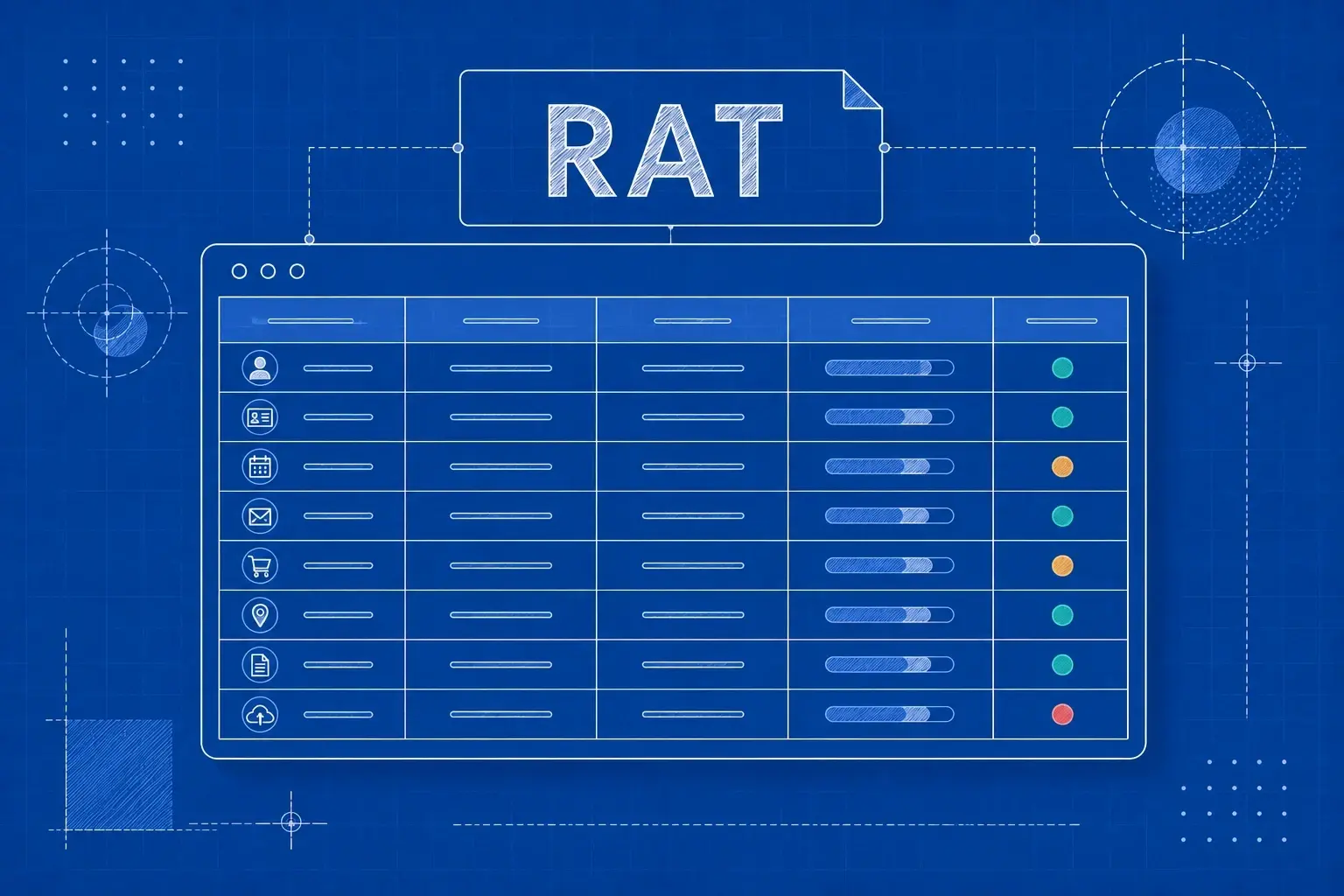
Traceable processing records. Exportable records with change history and assigned owners.
Continuous traceability. Change history and assigned owners for every record.
Risk detection. Identify critical processing activities and the most exposed areas, with rules tailored to each organization.
From interviews to risk reports: turn months of manual work into structured, traceable, and comparable records in weeks.
A specialized assistant uses everyday language to ask follow-up questions, clarify answers, and gather the information your organization needs.
Tailored to your organization: its departments, the information you need to gather, your instructions, and supporting documents.
Each employee responds through an individual link, without access to the platform or other teams' information.
Automated analysis that detects inconsistencies and flags information quality issues.
Request additional information from any employee.
Final validation always remains with an assigned owner within the organization.
Turn free-form conversations into structured fields, without manual data entry.
Every approved activity is standardized: data categories, lawful bases, and data subjects in a shared format across teams.
A centralized, traceable, exportable record.
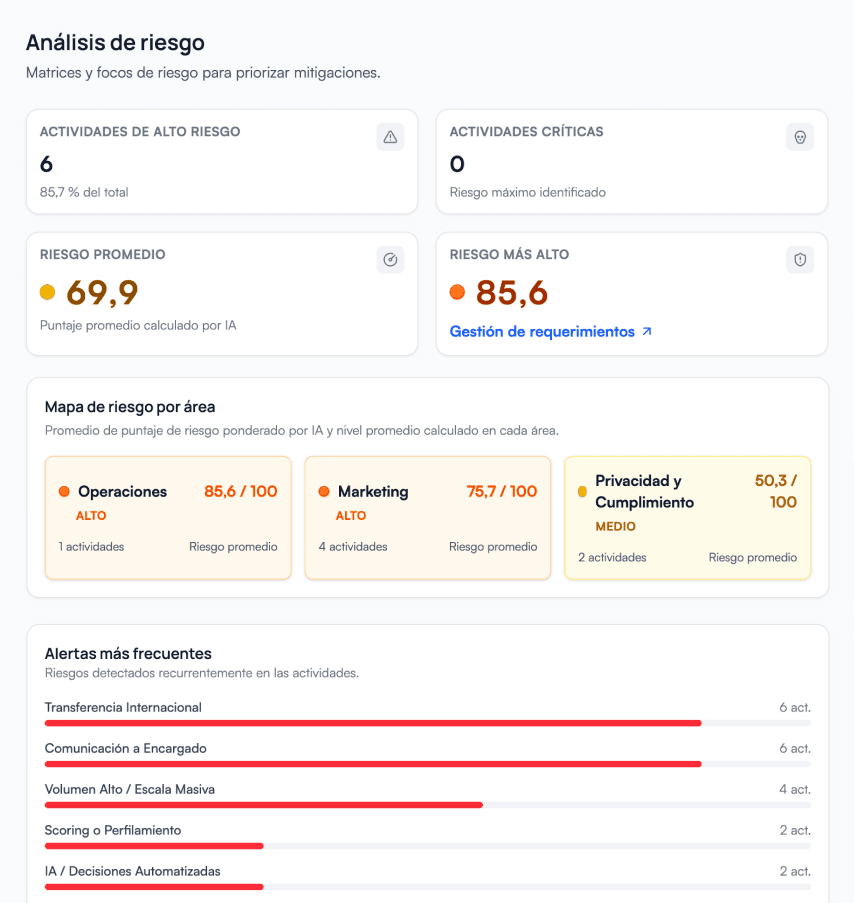
Automatic risk alerts: inherent risks detected by team, critical activities, and the most frequent risk factors.
Preconfigured rules with GDPR best practices, adapted to Chilean law and customizable to each organization's needs.
Suggested controls to help you decide what action to take.
| Aspect | Manual management | With Soyio |
|---|---|---|
| Data mapping | Interviews and email follow-ups handled manually | AI-led data mapping |
| Centralization | Information scattered across spreadsheets | All processing activities in one place |
| Standardization | Each team uses its own format | Standardization with human review |
| Autonomy | Dependent on external specialists | Internal team autonomy |
| Risks | Hidden risks | Identified risks |
| Records | Static documents | An evolving record with a clear audit trail |

Transparency is central to privacy. Find answers to common questions here. For anything else, contact us.
Prisma AI helps privacy and compliance teams map how their organization processes personal data. It interviews the people who work with that data, uses AI to standardize their answers, analyzes risks automatically, and creates documentation that can be audited. It currently automates the creation of records of processing activities.
Not as a general rule.
Under Law 21.719, appointing a data protection officer becomes mandatory when an organization voluntarily adopts an infringement prevention model (Art. 49). Outside that case, the law allows but does not require it. Prisma AI works equally well when a compliance, legal, or cybersecurity team takes on that responsibility.
Prisma AI operates under an Information Security Management System (ISO/IEC 27001) and a Privacy Information Management System (ISO/IEC 27701). Data is encrypted in transit, stored on secure infrastructure, and accessible only to authorized people.
It depends on the organization's size. Work that previously took weeks or months using spreadsheets, emails, and external interviews can often be completed much faster with Prisma AI.
No. Prisma AI is designed so anyone on the team can share what they know about their area. The platform handles the technical and regulatory aspects.
Prisma AI fits your existing organizational structure. Define departments and owners, invite the relevant people through individual links or SSO, and let each person contribute their knowledge.
Book a demo and discover how Prisma AI interviews teams, generates processing records, and identifies risks.
Book a demoSubscribe to our newsletter
A weekly roundup of privacy, regulation, and technology news that could affect your business.
Subscribe (LinkedIn, opens in a new tab)